Discovering the Role of Factory Solutions ahead of time Modern Design Solutions
Shop services are crucial fit contemporary design remedies - Aluminum Foundry. They link the void in between traditional production strategies and the needs of modern markets. With innovations in automation and sustainability, foundries are advancing to satisfy the requirements of industries such as aerospace and automotive. This transformation questions concerning the implications for materials, processes, and future innovations. What possibilities and obstacles lie in advance for factory solutions in this quickly transforming landscape?
The Advancement of Shop Solutions in Engineering
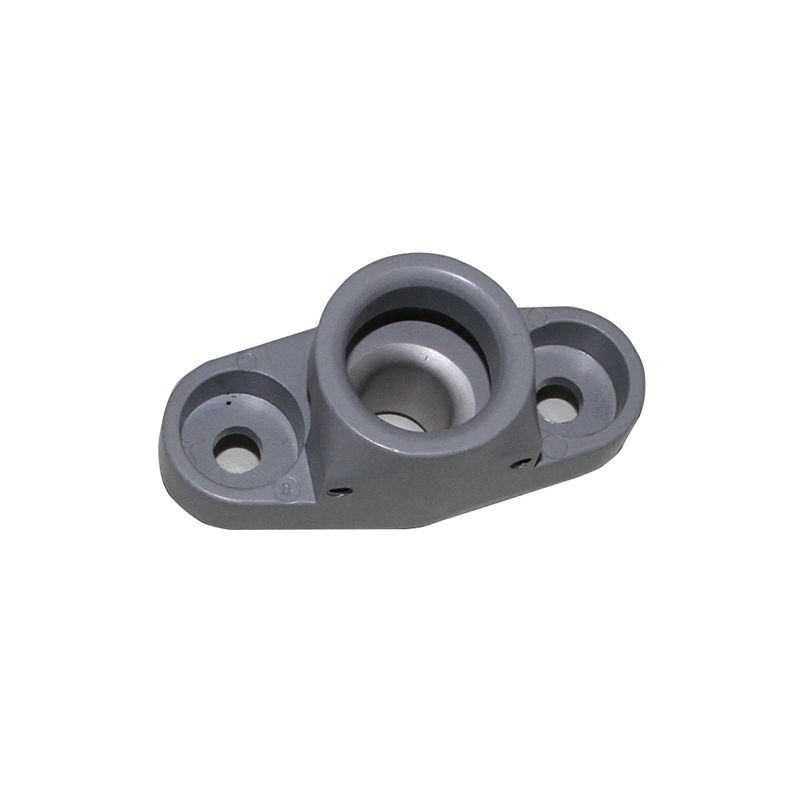
The assimilation of computer-aided design (CAD) and simulation software program has actually transformed the design and production procedures, allowing shops to create intricate geometries with greater accuracy. The shift in the direction of green practices has led to the fostering of greener modern technologies and recycling initiatives within shops. As industries significantly prioritize modification and rapid prototyping, foundry services have broadened their capabilities, ensuring they stay necessary factors to the engineering landscape. This evolution emphasizes the shop's important role in supporting developments throughout numerous fields, including vehicle, aerospace, and energy.
Secret Processes and Techniques in Modern Foundries
Modern shops employ a selection of vital procedures and methods that improve the efficiency and high quality of metal casting. Amongst these, sand spreading continues to be widespread as a result of its convenience and cost-effectiveness. Making use of sophisticated modern technologies, such as computer-aided layout (CAD) and computer-aided production (CAMERA), permits exact modeling and manufacturing, ensuring high accuracy in element measurements. Additionally, financial investment casting is preferred for creating complicated geometries with outstanding surface finishes.
Moreover, automation and robotics boost production speed and consistency while lowering labor expenses. Techniques like additive manufacturing are significantly integrated to produce intricate molds and cores, thus reducing product waste. The application of thermal analysis aids in enhancing casting processes by forecasting and managing solidification behavior. Jointly, these techniques and procedures exemplify just how modern shops are adjusting to fulfill the demands of modern engineering challenges, ensuring premium product high quality and operational efficiency.
The Relevance of Materials Choice in Foundry Services
Choosing the ideal products is vital in shop services, as it straight influences the mechanical homes, resilience, and overall performance of the end product. Different materials possess unique qualities, such as tensile stamina, deterioration resistance, and thermal security, which must line up with the designated application of the actors parts. For copyrightple, steels like light weight aluminum and steel are usually picked for their strength-to-weight proportion, while alloys can boost particular performance characteristics.
Furthermore, the option procedure entails thinking about variables such as manufacturability, price, and availability, which can significantly influence project timelines and budget plans. Furthermore, advancements in material scientific research allow the development of cutting-edge compounds and specialized alloys that accommodate emerging engineering obstacles. A thorough understanding of material residential properties and their implications is essential for designers and shop professionals to attain successful end results in their jobs. This careful option procedure ultimately boosts the reliability and efficiency of completion products.
Foundry Solutions in Aerospace and Automotive Applications
Factory services play a crucial duty in the aerospace and auto markets, where accuracy and performance are vital. These industries count greatly on the production of complicated parts that have to meet strenuous high quality requirements and stand up to extreme conditions. Factories give critical solutions such as spreading, machining, and completing, making sure components are lightweight yet robust, essential for enhancing gas performance and safety and security.
In aerospace, factory solutions contribute to the production of turbine blades, engine elements, and architectural components, every one of which need elaborate layouts and high-performance products. In the automotive market, foundries provide engine blocks, framework components, and transmission instances, concentrating on longevity and weight decrease.
Advanced foundry strategies, including additive manufacturing and precision casting, are significantly employed to meet the particular demands of these industries. By providing customized services, shop solutions help drive technology and preserve affordable benefits in the fast-evolving aerospace and vehicle landscapes.
Innovations Driven by Foundry Capabilities
Many advancements in design are fueled by the advanced capacities of foundry services. These services allow the manufacturing of intricate geometries and high-performance materials that are necessary for modern applications. Additive manufacturing, frequently recognized as 3D printing, has actually seen significant innovations via factory methods, permitting for the fast prototyping of intricate styles. Furthermore, the ability to cast light-weight alloys has actually transformed sectors such as aerospace and automotive, leading to enhanced fuel effectiveness and efficiency.
Factories are progressively incorporating clever technologies, such as automation and data analytics, to boost production performance and quality control. These developments not only minimize waste but likewise enable customization at scale, fulfilling the certain demands of customers. By leveraging advanced factory capabilities, designers can explore new frontiers in item layout and performance, inevitably driving progression throughout numerous markets and developing a structure for future developments.
Future Patterns in Factory Providers and Design Solutions
The future of foundry solutions is formed by arising fads such as lasting production techniques, which focus on ecological obligation. Automation and wise innovations are readied to boost performance and accuracy, while enhancing personalization and flexibility will certainly fulfill the advancing demands of clients. As these trends advance, they will redefine the landscape of design find more solutions in the shop field.
Lasting Production Practices
As markets progressively focus on environmental duty, lasting manufacturing techniques within factory services are becoming necessary to contemporary design options. These practices focus on decreasing waste, lowering energy intake, and making use of eco-friendly products throughout the production process. By carrying out strategies such as recycling scrap metal and maximizing melting procedures, shops can especially lower their carbon impact. Furthermore, the adoption of life cycle analyses permits producers to review the ecological influence of their products from creation to disposal. Collaborating with suppliers dedicated to sustainability better improves the effectiveness of these efforts. Inevitably, embracing sustainable manufacturing not just aligns with worldwide ecological objectives yet also promotes technology and competitiveness in the quickly advancing engineering landscape.
Automation and Smart Technologies
While lots of sectors are embracing technical innovations, shop services are experiencing a considerable transformation with automation and clever modern technologies. The combination of robotics and automated systems boosts production effectiveness, reduces human mistake, and speeds up the production procedure. Smart modern technologies, such as IoT and AI, make it possible for real-time surveillance and predictive maintenance, which maximize functional performance and decrease downtime. These advancements help with data-driven decision-making, allowing shops to react swiftly to market demands and boost item top quality. Additionally, automation reduces labor costs and boosts office safety by handling unsafe jobs. As factory services remain to adopt these innovations, they are poised to redefine engineering remedies, bring about enhanced competition and sustainability in the manufacturing industry.
Customization and Adaptability Patterns
Arising fads in factory services increasingly stress personalization and versatility to meet unique consumer requirements. This change mirrors a broader demand for customized engineering solutions that adapt to details job demands and industry criteria. Business are purchasing innovative innovations, such as additive manufacturing and electronic modeling, my link enabling them to produce personalized components successfully and cost-effectively. Because of this, foundries are relocating far from one-size-fits-all techniques, using customers the ability to change layouts and materials in real-time. Additionally, partnership between design teams and factory solutions is ending up being much more integrated, fostering technology and accelerating time-to-market. This pattern not just boosts product performance yet additionally supports sustainability by decreasing waste via accurate production procedures.
Frequently Asked Questions
What Are the Regular Prices Related To Shop Solutions?
Common expenses related to factory solutions include material expenditures, labor charges, devices use costs, and overhead expenses - Aluminum Casting Company. These expenditures can differ extensively based upon task intricacy, quantity, and specific demands of the design solution involved
How much time Does the Factory Refine Typically Take?
The factory process typically takes anywhere from a number of weeks to a couple of months, relying on factors such as complexity, product requirements, and production quantity, which can greatly influence timelines and general job delivery.
What Industries Benefit The Majority Of From Shop Providers?
Industries such as auto, aerospace, and building and construction benefit significantly from factory services. These sectors count on accuracy casting and steel manufacture to produce complex components, improving product efficiency and functional performance in their particular applications.
What Certifications Should Factories Possess?
Factories need to possess qualifications such as ISO 9001 for top quality monitoring, ISO 14001 for environmental monitoring, and specific sector qualifications like AS9100 for aerospace or IATF 16949 for automobile, guaranteeing conformity and quality control.
How Do Foundries Ensure Quality Assurance in Their Procedures?

Foundry solutions are important in forming modern engineering options. As design disciplines have actually advanced, the duty of factory services has actually transformed greatly to meet progressing sector demands. As industries progressively prioritize personalization and quick prototyping, shop solutions have actually expanded their capacities, ensuring they continue to be vital factors to the design landscape. As sectors significantly prioritize environmental responsibility, sustainable production visit the website techniques within factory solutions are ending up being essential to contemporary engineering services. Additionally, partnership between engineering groups and factory services is ending up being extra incorporated, cultivating technology and accelerating time-to-market.
Comments on “Aluminum casting for aerospace solutions that require strength and lightness”